
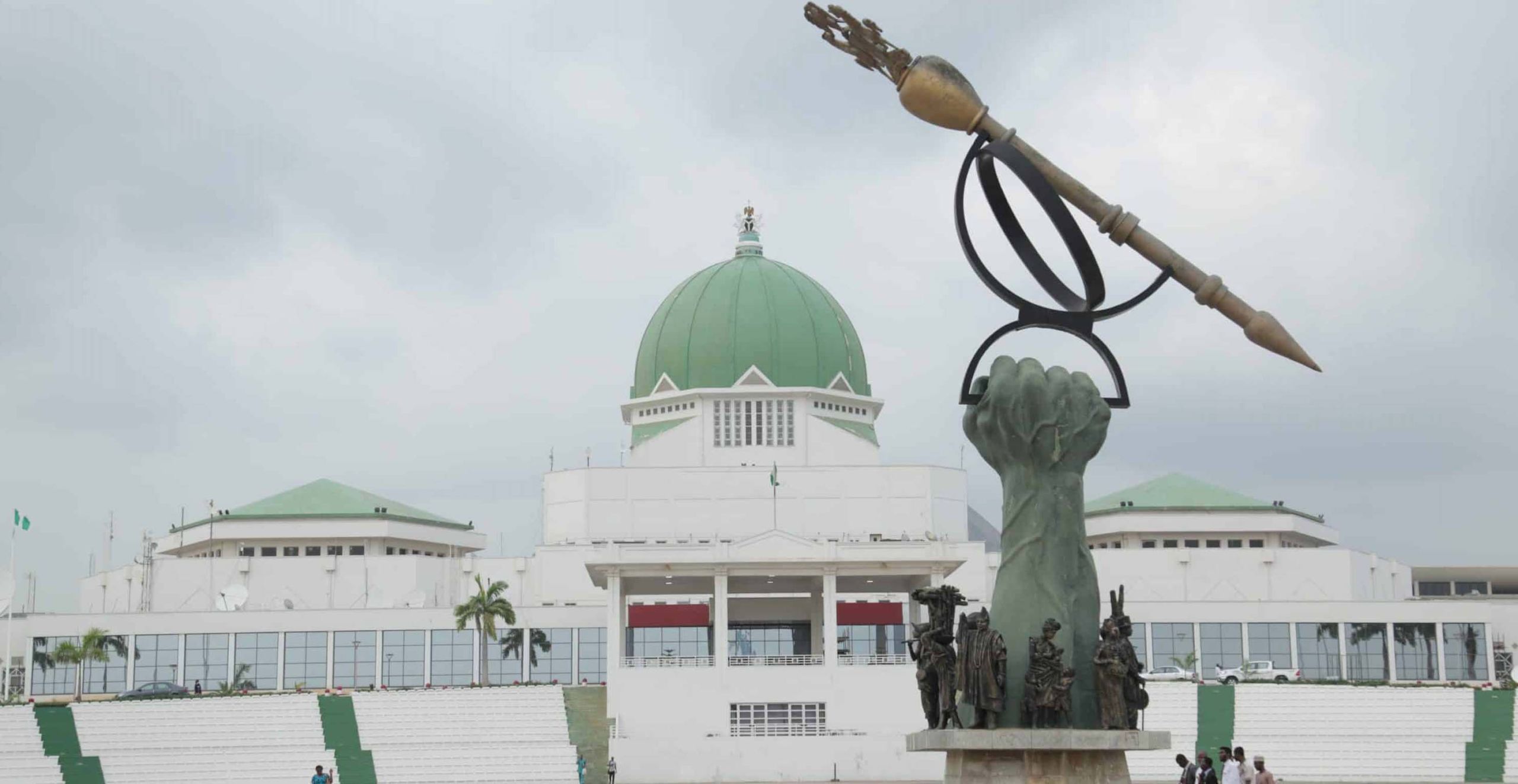
The foundational promise of any democratic republic is rooted in its public institutions. In Nigeria, this promise is explicitly codified within Chapter II of the 1999 Constitution, the Fundamental Objectives and Directive Principles of State Policy. It dictates that the state must direct its policy toward ensuring sovereignty, welfare, and social justice. Yet, a stark divergence has occurred. What was meant to be a framework for "True Federalism" a system designed to decentralize power, foster localized development, and guarantee social equity, has subtly devolved into a highly lucrative private enterprise.
While public discourse frequently fixates on the mismanagement of the oil sector and resource allocation, an arguably more insidious corporate takeover has occurred within our civic architecture. Our federal schools, public hospitals, and foundational civic institutions have been systematically stripped of their public mission, treated instead like privatized assets for political patronage and personal legacy.
The "Privatization" of the Public Trust. Chapter II explicitly mandates that the security and welfare of the people shall be the primary purpose of government, demanding that the state provide adequate medical, health, and educational facilities. Instead, we witness a functional abandonment of these spaces. Public institutions are run with the cold calculation of a commercial business, forcing citizens to pay premium rates for collapsing infrastructure, or they are deliberately starved of funding to clear a path for private alternatives owned by the ruling class. When education and healthcare are commodified, the social contract is broken. A federal institution is no longer a monument to collective progress; it becomes an exclusive marketplace where access is determined by wealth rather than citizenship.
The Irony of Naming. This enterprise model extends deeply into our symbolic national landscape. Across the nation, universities, medical centers, and public complexes are routinely named after leaders who openly erred in discharging their civic duties. This is not merely an issue of poor aesthetics or bad taste; it is a structural rewriting of history. By immortalizing figures who oversaw the decay of the very sectors they are now named after, we normalize mediocrity. It sends an institutional message to future generations that power, loyalty, and political capital are far more valuable than genuine public service and moral legacy. We have allowed the sacred act of national remembrance to be bought and sold within the marketplace of political favors.
The Crisis of Competence. Perhaps the most destructive element of this federal enterprise is the deliberate abandonment of meritocracy. The stewardship of our critical institutions is repeatedly handed over to individuals completely devoid of competence. When administrative heads, board members, and directors are selected entirely through the lens of nepotism or political payback, the internal fabric of the institution rots. An incompetent leadership structure cannot innovate, cannot manage public resources effectively, and cannot protect the rights of the citizen. The everyday Nigerian pays the ultimate price for this lack of capacity, navigating broken healthcare systems and stagnant educational facilities managed by individuals who are accountable only to their political benefactors.
The Path Toward Freedom. We cannot continue to call ourselves a nation "under God" while allowing the foundational pillars of our society to be managed as a private fiefdom. True freedom—and the fulfillment of the constitutional ideals laid out in Chapter II—requires an aggressive moral and structural reckoning.
We must reclaim our schools, hospitals, and public spaces from the corporate grip of political opportunism. Till we as a nation address these core issues of institutional privatization, unearned immortalization, and systemic incompetence, we will remain bound by an enterprise of our own making. True federalism must be rescued from the balance sheets of the political elite and returned to its rightful owners: the people.